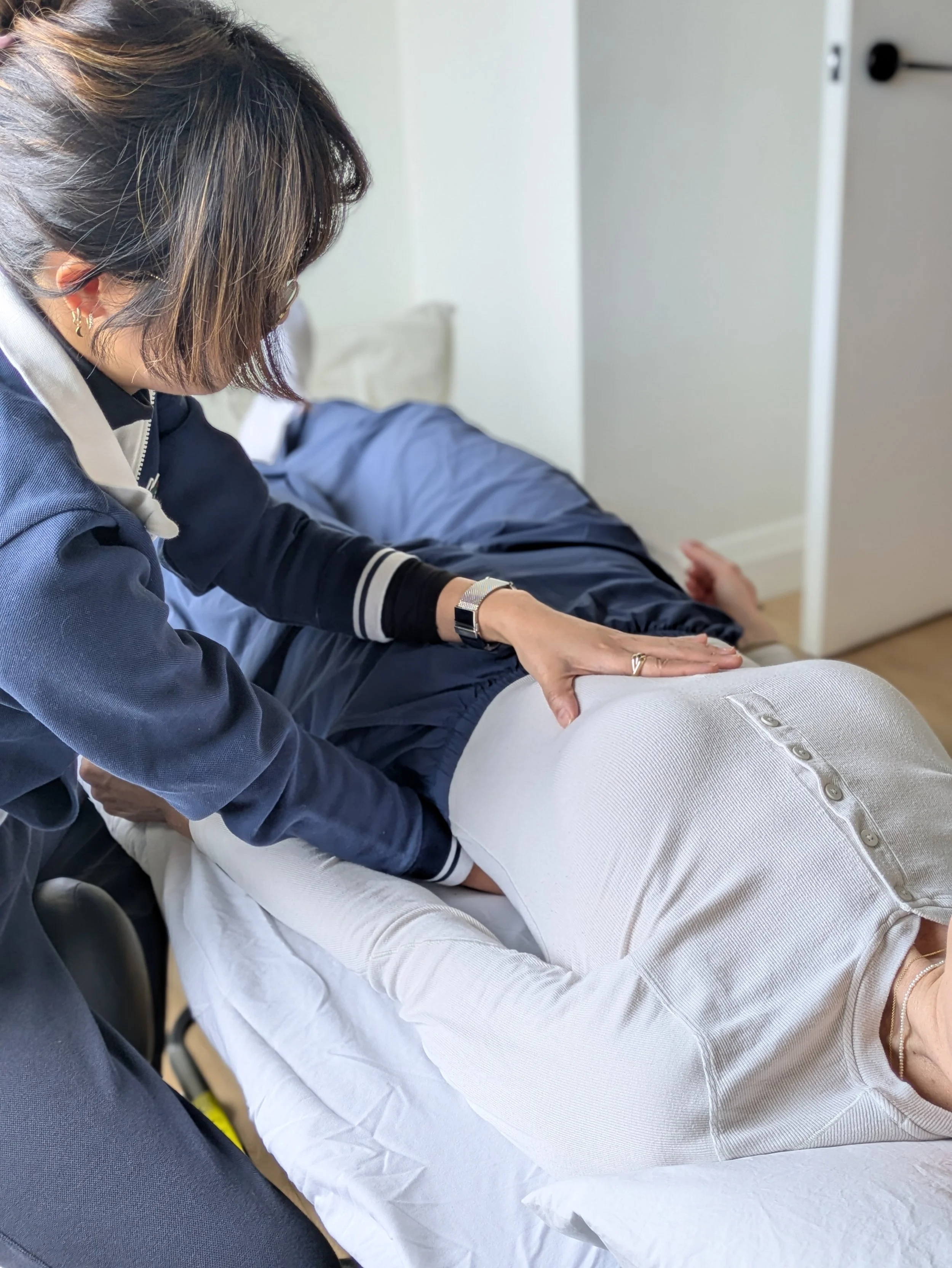
craniosacral therapy
a gentler way to slow down and reconnect with your body
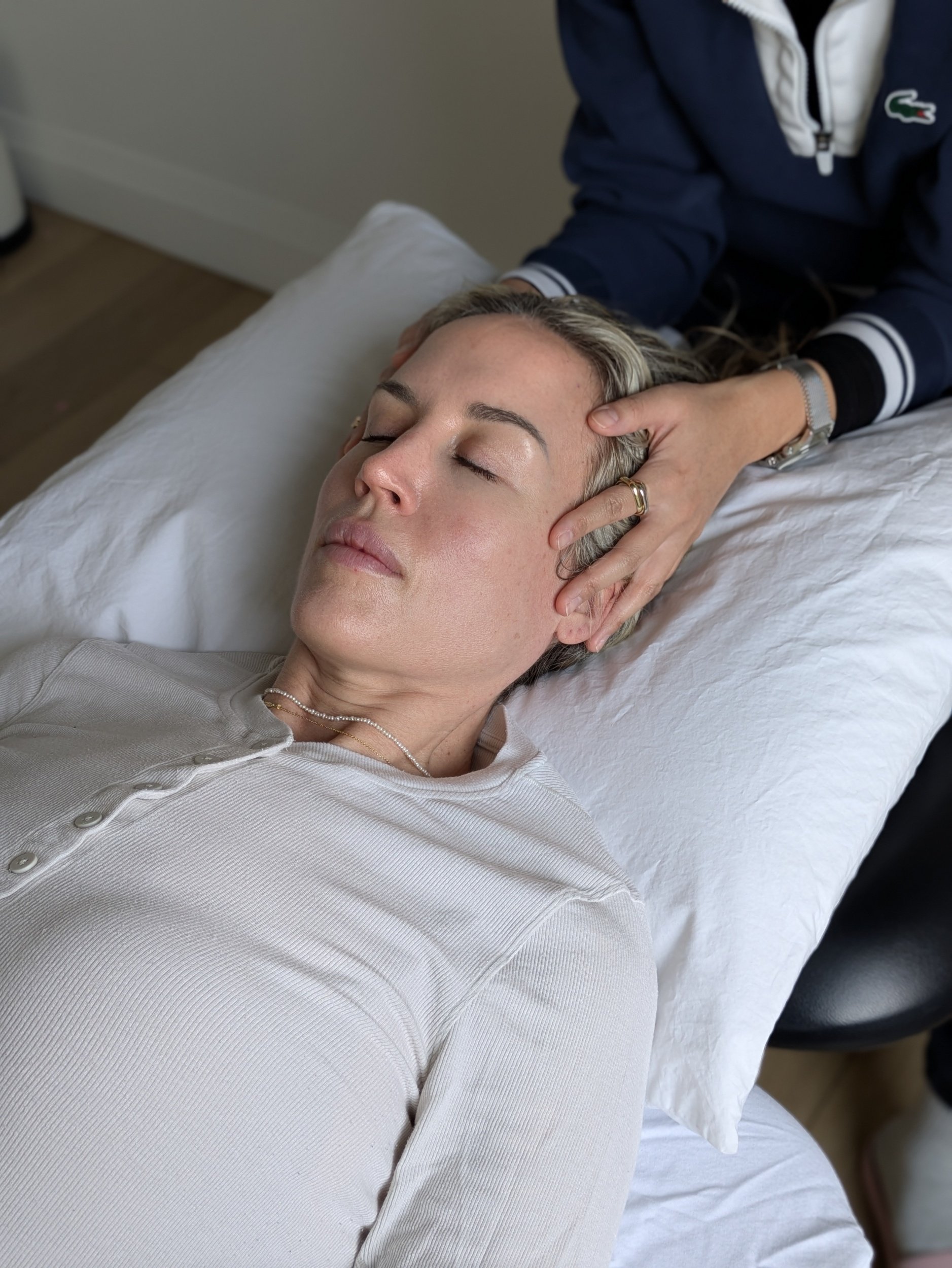
sometimes, taking care of yourself doesn't mean doing more
It means giving yourself the space to pause, slow down and receive care without pressure.
you might be drawn to craniosacral therapy if...
you find it difficult to slow down
Life feels busy, your mind is constantly occupied, and finding time to truly rest can feel challenging.
you carry tension in your body
You notice tightness around your jaw, neck, shoulders or back and are curious about a gentler approach to bodywork.
you prefer a lighter touch
You prefer a softer, less forceful experience than deep tissue massage or other manual techniques.
you're ready to reconnect
You're interested in developing greater awareness of how you feel physically and making more space for your wellbeing.
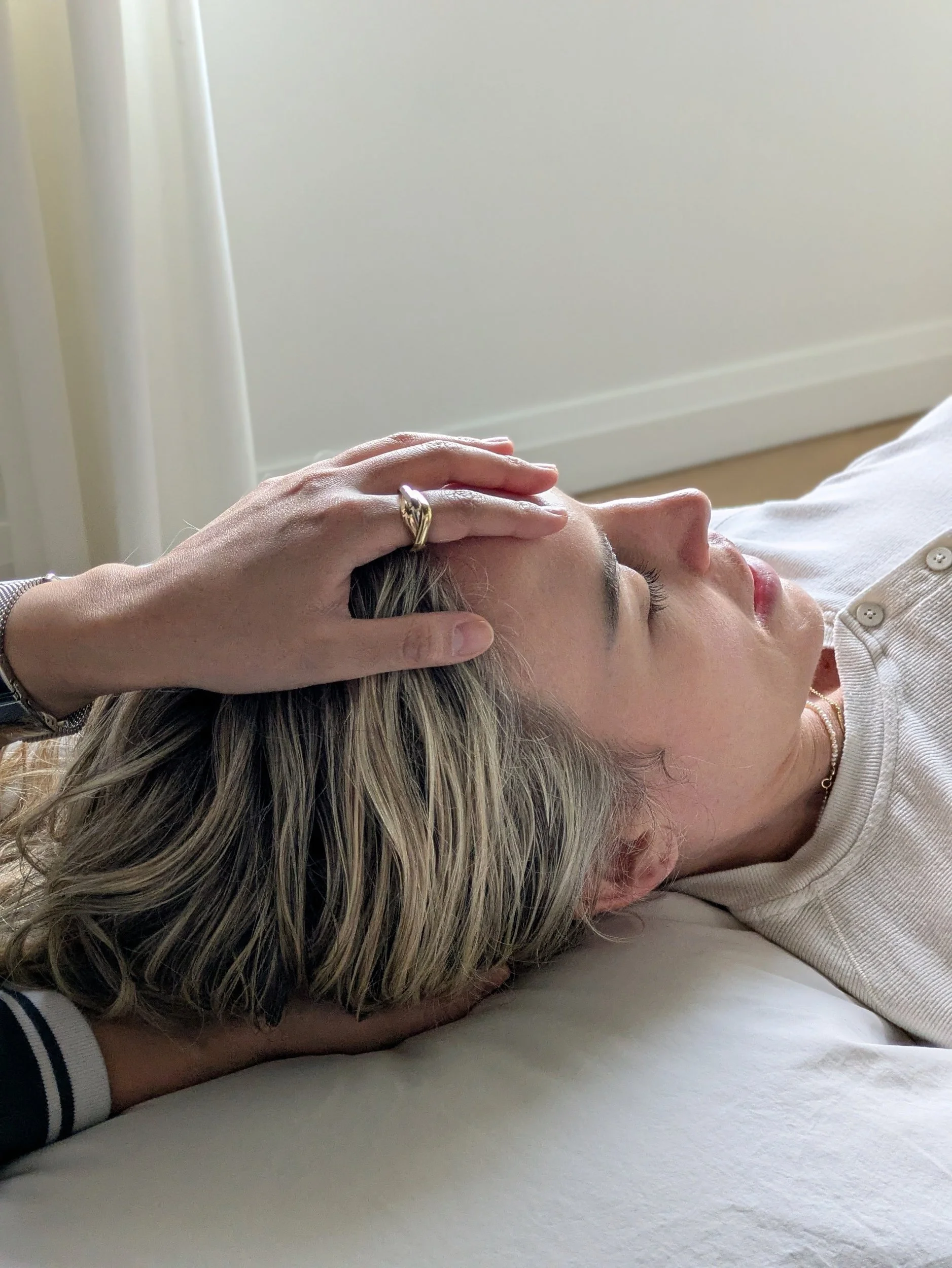
what is craniosacral therapy
Craniosacral therapy (CST) is a gentle, hands-on complementary therapy that involves light touch around the head, neck, spine, lower back and other areas of the body. It signals to your nervous system that it's safe, creating the right conditions for your body to relax, settle, and rebalance.
Unlike massage or other manual techniques that may involve deeper pressure or more active manipulation, craniosacral therapy uses a much lighter touch. Sessions are generally quiet and unhurried, allowing you to rest while the practitioner works with gentle contact.
For Izumi, craniosacral therapy offers an opportunity to explore a different kind of care: one that doesn't ask you to push harder, stretch further or do more
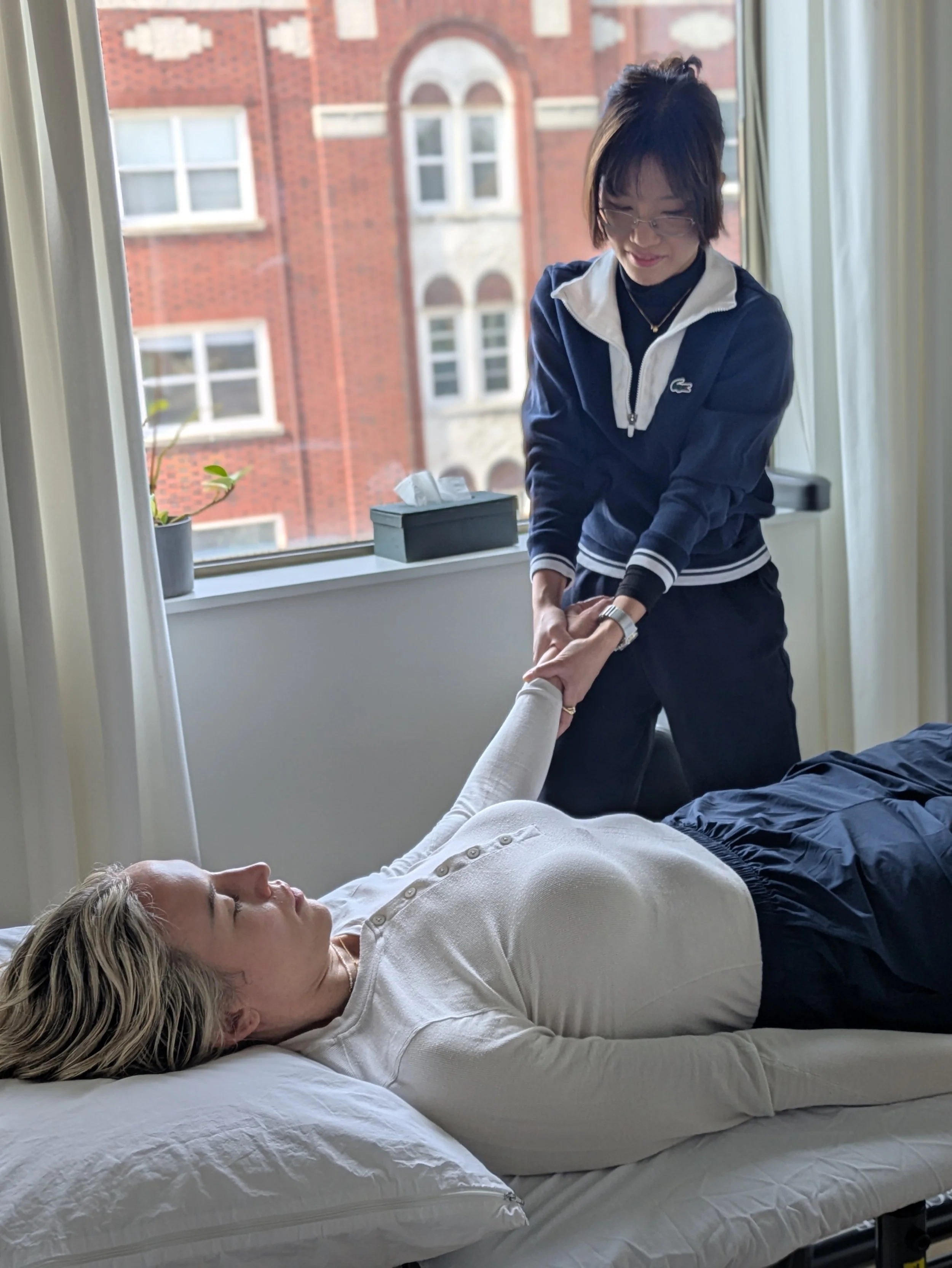
what does a craniosacral therapy session look like?
-
Your session starts with a conversation about your health history, what brings you in, your preferences and any questions you may have.
-
You'll remain fully clothed and lie comfortably on a treatment table. Izumi will explain the process and check that you're comfortable before beginning.
-
Izumi uses light, sustained contact around selected areas of the body. There is no deep pressure, forceful manipulation or painful stretching.
-
The session is generally quiet and unhurried. You can simply rest, notice how you feel and communicate with Izumi whenever you need to.
-
Afterwards, you'll have time to share your experience and discuss any questions or possible next steps.
is craniosacral therapy right for you?
People explore craniosacral therapy for different reasons.
Some are looking for a gentler form of bodywork, while others are simply interested in having a quiet space to slow down and reconnect with themselves.
you may be interested in exploring CST if you're:
Experiencing everyday tension around your jaw, neck, shoulders or back.
Looking for a gentler approach because you find deep pressure uncomfortable.
Finding it difficult to switch off and make time for rest.
Interested in a calming, relaxation-focused experience.
Curious about developing greater awareness of your body.
Looking for a complementary wellness experience alongside your existing healthcare routine.

a personal approach to gentle care
My interest in craniosacral therapy began with my own search for a gentler approach to care.
After years of feeling uncomfortable with more intensive treatments, I discovered the value of slowing down and listening to my body.
With a background in movement and studies in osteopathy, I bring together my understanding of the body and an individualized approach to cst.
I believe that care should feel collaborative, respectful and responsive to your needs. My intention is to create a space where you feel heard, supported and comfortable.
find a location
Convenient options in both downtown and midtown Toronto with easy access to public transit.
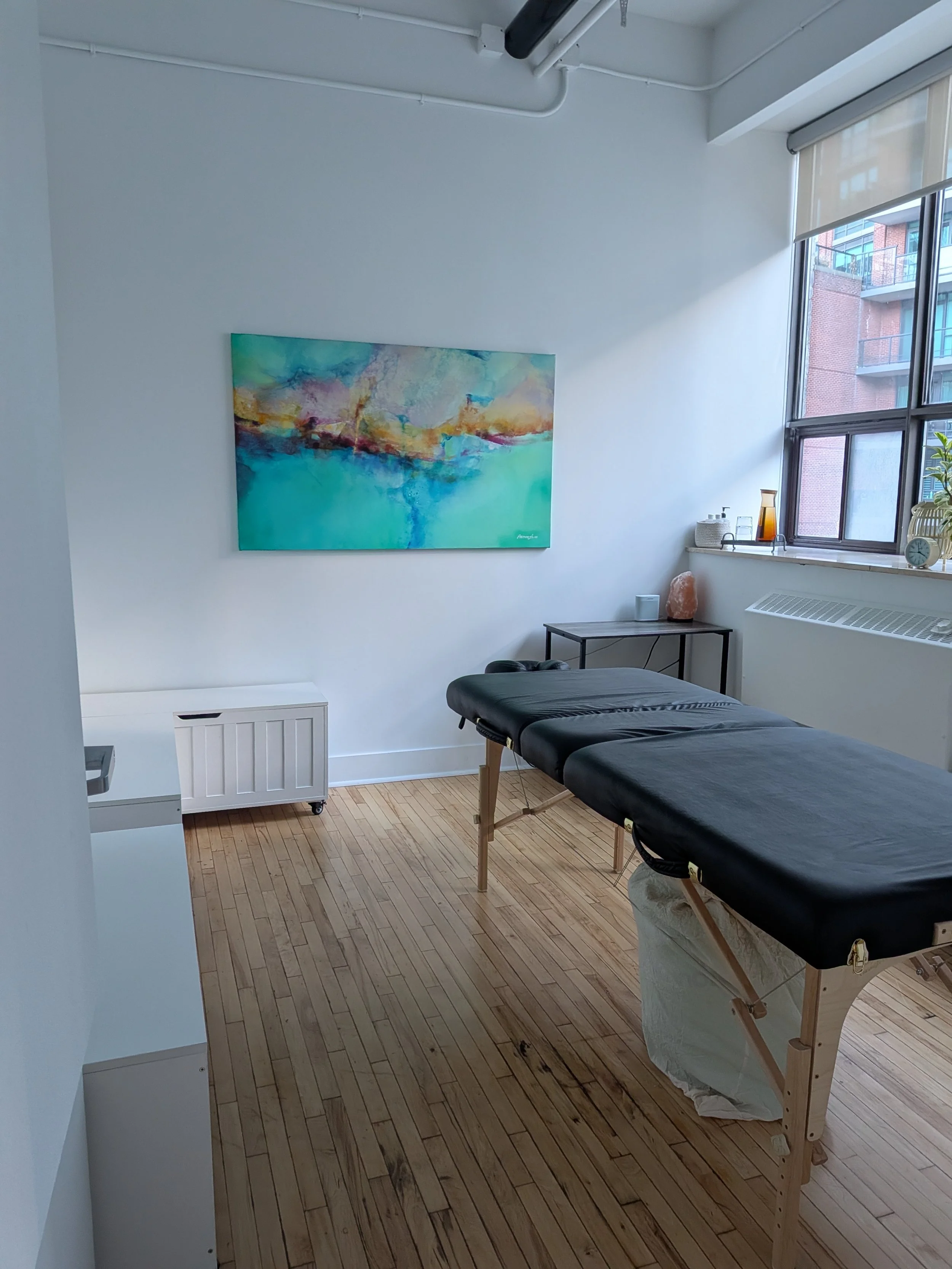
esplande
Pilates4Physio
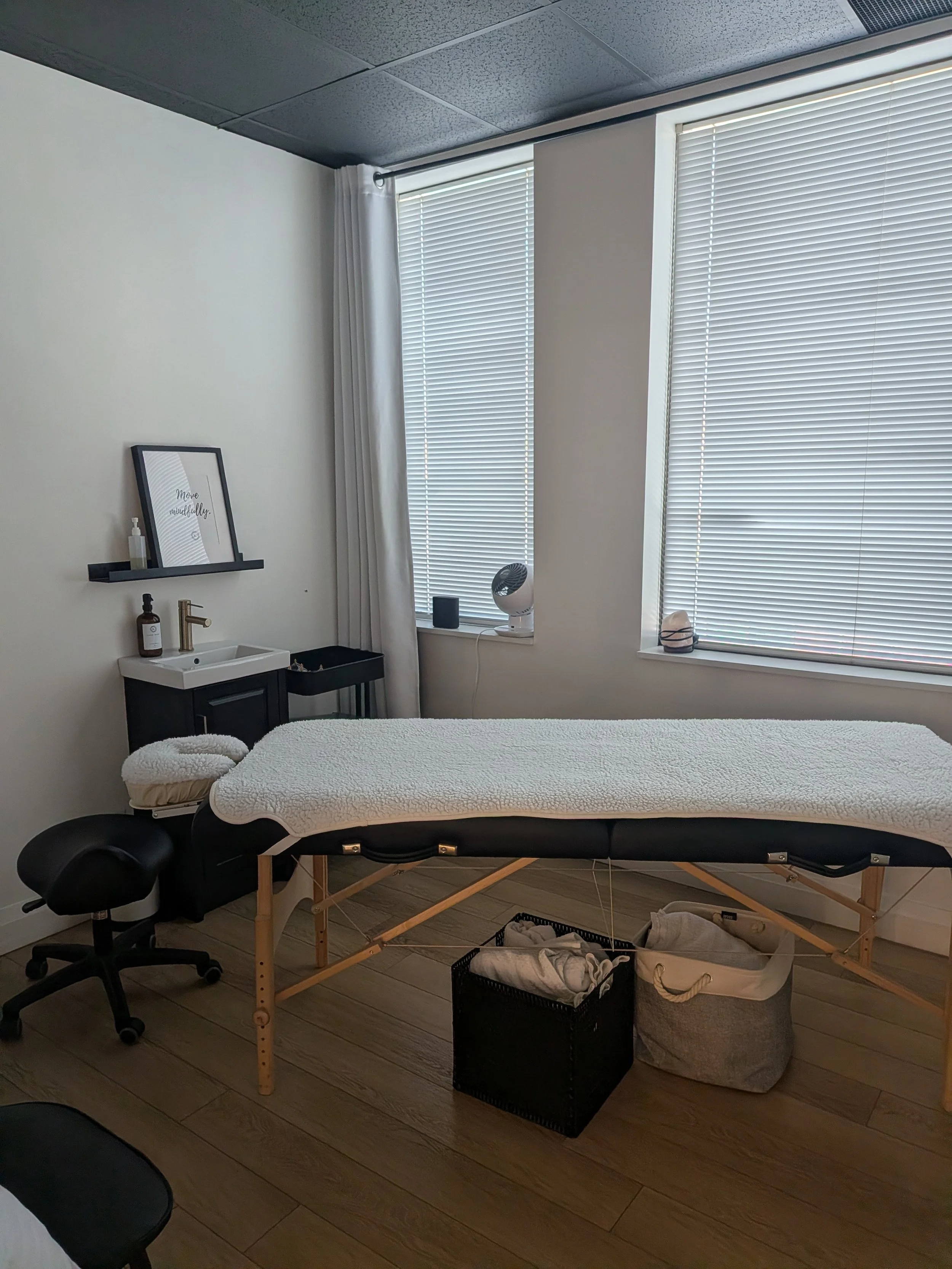
forest hill
Kinective Health
frequently asked questions
-
You remain fully clothed and lie comfortably on a treatment table. The touch is extremely light, often no more than a resting hand.
Most people describe it as deeply relaxing, similar to the feeling just before sleep. In fact, if you do fall asleep I know I’m doing my job right.
Afterward, you may feel temporarily cold or tired. This is your body reducing inflammation and shifting out of stress mode. -
Chronic stress, anxiety, tension headaches, jaw tension (TMJ), sleep problems, and digestive issues related to a dysregulated nervous system. It's also commonly sought by people recovering from burnout.
-
Some people notice significant shifts after one or two sessions. For chronic or long-held patterns, a series tends to produce deeper results. We'll discuss what makes sense at your first appointment.
-
At this time, Pilates and Craniosacral Therapy are not covered by most extended health insurance plans. However, receipts are provided for your personal records.
-
Wear comfortable clothing that allows you to move easily. For hands‑on therapy sessions, you remain fully clothed, so soft, relaxed clothing is ideal.
-
Please let us know at least 24 hours in advance if you need to cancel or reschedule your appointment.
If you cancel with less than 24 hours’ notice, we will need to charge the full session fee. This helps us respect your reserved time and offer openings to other clients.
If you are not feeling well, please contact us as soon as you can so we can find a new time for your appointment.
give yourself a little space to slow down
Your first session is an opportunity to pause, experience gentle hands-on care and explore whether craniosacral therapy feels right for you.